Luck Casino Payment Methods: Full List, Fees, and Processing Times Compared
 Available in US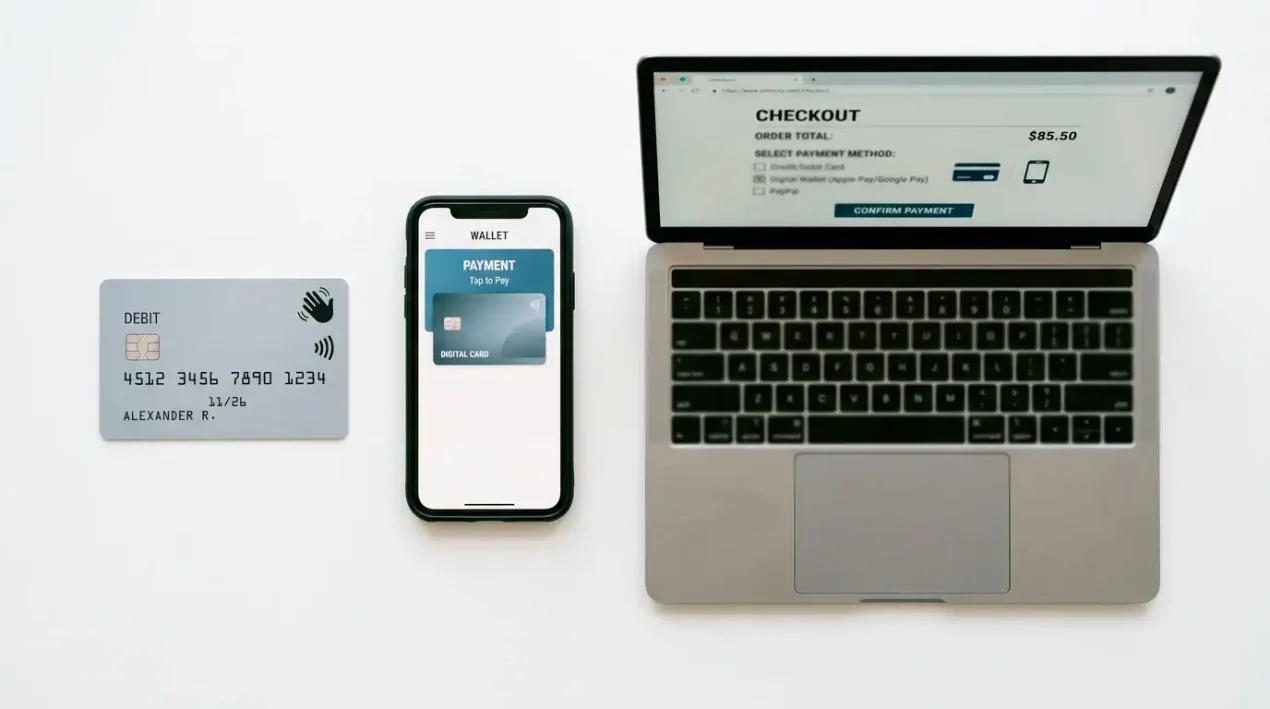
I spent the better part of a decade watching the UK online casino payment landscape evolve from credit cards and bank transfers to a sprawl of digital wallets, prepaid cards, and instant banking solutions. Then, in April 2020, the UKGC banned credit card gambling entirely, and the landscape contracted overnight. What remains is a cleaner but more constrained set of options, and choosing between them involves trade-offs that most casino reviews skip past entirely. This guide maps every payment method at Luck Casino against the criteria that actually matter: speed, fees, limits, and bonus eligibility.
Once your bankroll is funded, keep track of your transactions by reviewing the available deposit methods compared.
Debit Cards: Visa and Mastercard
Debit cards remain the default payment method for the majority of UK online casino players. The infrastructure is mature, the process is familiar, and almost every UK adult with a bank account already has one in their wallet. At Luck Casino, both Visa and Mastercard debit cards are accepted for deposits and withdrawals.
Deposits via debit card are instant. The funds appear in your casino balance within seconds, with no fees charged by the operator. Withdrawals route back to the same card used for the deposit — a requirement driven by anti-money-laundering regulations rather than operator preference — and take one to three business days to arrive after the operator releases the funds.
The hidden variable with debit cards is your bank’s own policies. An increasing number of UK banks flag gambling transactions, apply spending blocks to gambling merchants, or require customers to opt in before gambling transactions are permitted. Monzo, Starling, and several other digital banks have built gambling-blocking features directly into their apps. If your debit card deposit is declined for no apparent reason, your bank’s gambling controls are the most likely cause.
Remote gambling now accounts for 46% of the UK gambling market at 7.8 billion pounds in gross gambling yield. Every pound of that volume moves through payment infrastructure that banks, processors, and regulators all monitor. The debit card channel carries the highest scrutiny because it connects directly to the player’s primary bank account — which is precisely why affordability checks at the 150-pound-per-month threshold are triggered through this channel first.
E-Wallets: PayPal, Skrill, and Neteller
E-wallets sit between your bank account and the casino, adding a layer of separation that some players prefer for budgeting, privacy, or speed. PayPal is the most widely used e-wallet in the UK gambling market, followed by Skrill and Neteller — both owned by the Paysafe Group and designed specifically for online payments including gambling.
The speed advantage of e-wallets is most pronounced on withdrawals. Once the operator releases funds, e-wallet transfers are typically instantaneous or complete within a few hours. Compare that to one-to-three-day debit card processing or three-to-five-day bank transfers, and the convenience case is clear. For players who value fast access to their winnings, e-wallets are the functionally superior option.
One trade-off: e-wallets are sometimes excluded from welcome bonus eligibility. Operators occasionally restrict bonus activation to debit card deposits, excluding e-wallet deposits from triggering the welcome offer. This is a commercial decision driven by fraud-prevention concerns — e-wallets provide an additional layer of anonymity that complicates the operator’s KYC and anti-money-laundering processes. Always check whether your chosen payment method qualifies for the promotion before depositing. The minimum deposit guide breaks down method-specific thresholds and bonus qualification rules.
Fees vary by provider. PayPal does not typically charge fees for gambling transactions. Skrill and Neteller may apply percentage-based fees on deposits or currency conversions, depending on the account type and transaction volume. Check the e-wallet provider’s own fee schedule — fees charged by the payment provider are separate from any fees (or lack thereof) charged by the casino.
Prepaid and Alternative Methods
Paysafecard occupies a niche as a cash-based entry point into online gambling. Players purchase a prepaid voucher at a retail outlet, enter the PIN code at the casino, and the corresponding value is credited to their account. The appeal is budgetary: you can only spend what you have loaded onto the card, creating a hard spending limit that is impossible to exceed. The limitation is equally clear — Paysafecard is deposit-only. You cannot withdraw to a prepaid voucher, which means you will need a second payment method configured for withdrawals.
Apple Pay and Google Pay, where available, provide a contactless-payment-style experience for mobile deposits. Both are wrappers around your underlying debit card or bank account, so the transaction ultimately flows through the same banking infrastructure. The convenience is in the authentication method — biometric confirmation via fingerprint or face recognition rather than typing card numbers — which speeds up the deposit process on mobile devices.
Bank transfers (Faster Payments or standard BACS) are available but occupy the slow end of the spectrum. Deposits via Faster Payments arrive within minutes; standard BACS transfers take one to three days. Withdrawals via bank transfer are the slowest option, typically taking three to five business days. The advantage of bank transfers is that they accommodate higher transaction amounts than most other methods, making them the default for players moving larger sums.
Check out available deposit options on our main website.
Choosing the Right Payment Method: A Decision Framework
After reviewing payment options across dozens of UK operators, I have found that the decision comes down to four factors, and prioritising them correctly saves time and avoids the frustration of discovering limitations after the deposit is already made.
Speed: if fast withdrawals are your priority, e-wallets win. Debit cards are adequate. Bank transfers are slow. Prepaid cards are not an option for withdrawals at all.
Bonus eligibility: if activating the welcome bonus matters, check which methods qualify before depositing. Debit cards are almost always eligible. E-wallets sometimes are not. Depositing via a non-qualifying method and then contacting support to claim the bonus retroactively rarely works.
Budget control: if you want a hard cap on gambling spending, Paysafecard or a dedicated e-wallet funded with a fixed amount provides structural discipline that debit cards connected to your main bank account do not.
Withdrawal convenience: use the same method for deposits and withdrawals wherever possible. UK anti-money-laundering rules require operators to return funds to the original payment source. Depositing via debit card and requesting withdrawal to an e-wallet creates complications that delay payouts and generate support tickets. Keep the payment loop clean.
Does Luck Casino charge fees on deposits or withdrawals?
Luck Casino does not typically charge fees on standard deposits or withdrawals. However, your payment provider may apply its own fees — particularly e-wallet providers like Skrill and Neteller, which may charge percentage-based fees depending on your account type. Check both the casino’s and the payment provider’s fee schedules.
Can I use a credit card at Luck Casino?
No. The UKGC banned the use of credit cards for online gambling in April 2020. All UK-licensed operators, including Luck Casino, are prohibited from accepting credit card deposits. Accepted methods include debit cards, e-wallets, prepaid cards, and bank transfers.
This material was created by the LuckLens team.
Related posts

UK Live Dealer Casino Games: A Guide to Studios, Suppliers, and the Maths
UK Online Casino Apps and Mobile Play: A Practical Guide