Luck Casino Deposit Methods Compared: Speed, Limits, and Bonus Eligibility by Channel
 Available in GB
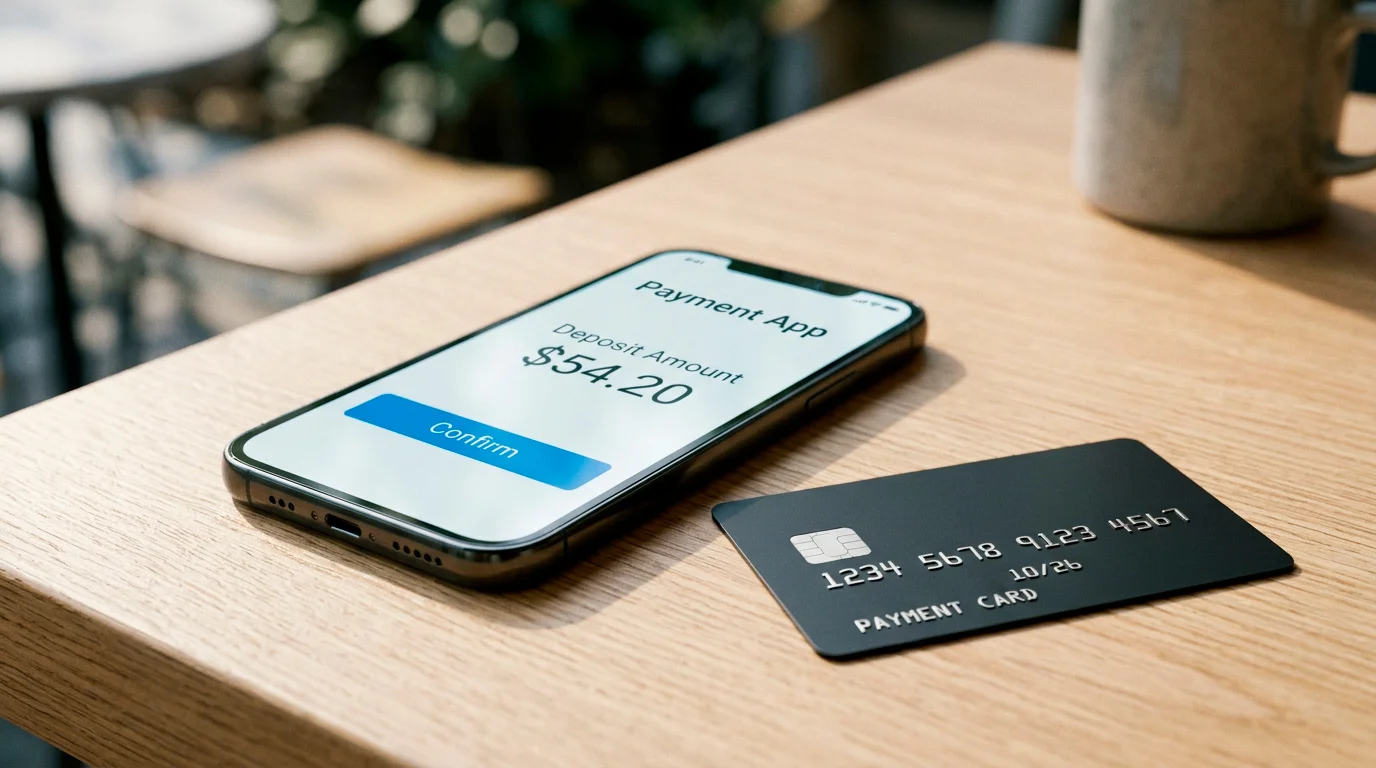
The deposit that taught me the most about UK casino payment infrastructure was one that failed. A player deposited fifty pounds via a prepaid card, expecting the welcome bonus to trigger. It did not. The bonus terms specified debit card deposits only, and the prepaid card — despite functioning identically from the player’s perspective — was classified differently by the payment processor. That fifty-pound lesson illustrates why choosing the right deposit method matters before you put money in, not after.
Debit Cards: The Default Channel
Visa and Mastercard debit cards are the most widely used deposit method at UK online casinos, and for good reason. The infrastructure is universal — virtually every UK bank account comes with a debit card — and the deposit process is instant. Enter your card number, confirm the amount, and the funds appear in your casino balance within seconds.
Bonus eligibility is the strongest argument for debit card deposits. Welcome bonuses at UKGC-licensed operators, including Luck Casino, almost universally accept debit card deposits as qualifying transactions. If the welcome offer is your primary reason for depositing, a debit card is the safest choice to ensure the bonus credits properly.
The downside is transparency. A debit card deposit creates a direct, visible transaction between your primary bank account and a gambling merchant. Some players prefer to keep their gambling activity separate from their main banking — for privacy, budgeting, or simply personal preference. An increasing number of UK banks also offer gambling-blocking features that can intercept debit card deposits to casino merchants. If you have activated such a block (or if your bank applies one by default), you will need to disable it before depositing.
Remote gambling generates 7.8 billion pounds in gross gambling yield in the UK. The debit card channel processes the largest share of that volume, which makes it the most scrutinised channel for affordability checks and anti-money-laundering monitoring. Deposits through this channel are the most likely to trigger the 150-pound net spend threshold for financial vulnerability checks, simply because the operator has direct visibility into the transaction flow.
Recommended online casinos
E-Wallets: Speed and Separation
PayPal, Skrill, and Neteller function as intermediaries — you fund the e-wallet from your bank account, then deposit from the e-wallet to the casino. The separation creates a buffer between your primary banking and your gambling activity, which appeals to players who prefer compartmentalisation.
Deposit speed is instant across all three major e-wallets. The interface is streamlined: select the e-wallet, log in to your provider account (or confirm via the app), approve the transaction, and the funds arrive in your casino balance immediately. PayPal’s integration is particularly seamless on mobile, where biometric authentication replaces manual login.
The critical caveat: e-wallet deposits may not qualify for the welcome bonus. This is operator-specific and varies across the market. Some operators accept all deposit methods for bonus activation; others restrict eligibility to debit cards. The restriction is rooted in fraud-prevention concerns — e-wallets provide an additional anonymity layer that complicates the operator’s KYC obligations. Always verify bonus eligibility for your chosen deposit method before transacting.
Fees are the other variable. PayPal typically charges no fees on gambling deposits. Skrill and Neteller may apply percentage-based fees depending on your account tier and the funding method used to load your e-wallet balance. A 2.5% fee on a hundred-pound deposit costs two pounds fifty — a meaningful amount that erodes the value of any bonus or promotional offer. The full payment methods guide covers fee structures across all available channels.
Alternative Methods: Prepaid, Mobile Pay, and Bank Transfer
Paysafecard is the go-to option for players who want absolute budget control. You buy a voucher for a fixed amount (ten, twenty-five, fifty, or a hundred pounds) at a retail outlet, enter the PIN at the casino, and that amount is credited. The spending cap is physical — when the voucher is depleted, you must physically purchase another. There is no overdraft, no impulse top-up from a linked bank account, and no possibility of spending beyond the voucher value.
The limitation is structural: Paysafecard is deposit-only. You cannot withdraw to a prepaid voucher, which means you need a second payment method configured for withdrawals. This creates the payment-method mismatch that anti-money-laundering rules are designed to flag, so expect your first withdrawal to trigger a verification step confirming your alternative withdrawal method.
Apple Pay and Google Pay are wrappers around your existing debit card or bank account. The deposit is processed through the underlying card, so it carries the same bonus eligibility, speed, and limits as a standard debit card transaction. The convenience is in the authentication — a fingerprint or face scan replaces card number entry, which is faster and more secure on mobile devices. Whether this counts as a “debit card deposit” for bonus purposes depends on how the operator’s payment processor classifies it; in most cases, it does.
Bank transfers via Faster Payments are instant but carry higher minimum deposit amounts than other methods. Standard BACS transfers take one to three business days. Neither method offers a meaningful advantage over debit cards or e-wallets for routine deposits, but bank transfers accommodate higher single-transaction amounts for players who need to move larger sums.
Choosing a Deposit Method: The Three-Question Test
After reviewing deposit flows at dozens of UK operators, I use a three-question framework that cuts through the noise.
Question one: does this method qualify for the bonus I want? If the welcome bonus is part of your plan, confirm eligibility before depositing. A deposit through a non-qualifying method cannot be retroactively reclassified.
Question two: can I withdraw through the same method? UK anti-money-laundering rules require operators to return funds to the original deposit source where possible. Depositing through one channel and attempting to withdraw through another creates friction. Keep the payment loop closed.
Question three: does this method support my budget discipline? If you struggle with impulsive deposits, a prepaid card or a dedicated e-wallet funded with a fixed weekly amount provides structural control that a debit card linked to your main bank account does not. The best deposit method is the one that aligns with your financial boundaries, not the one with the fastest processing time.
Which deposit method qualifies for the Luck Casino welcome bonus?
Debit card deposits (Visa, Mastercard) are almost universally eligible for welcome bonuses at UK-licensed operators. E-wallet deposits (PayPal, Skrill, Neteller) may be excluded depending on the specific promotion terms. Always check the bonus terms for eligible payment methods before depositing.
Is there a minimum deposit at Luck Casino?
The minimum deposit varies by payment method. Debit cards and most e-wallets accept the platform’s base minimum, which sits at the lower end of the UK market. Bank transfers typically require a higher minimum due to fixed processing costs. The minimum deposit to qualify for the welcome bonus may differ from the platform’s general minimum.
Created by the ”Luck Casino” editorial team.